








Untreated municipal sewage inflow threatens KC Valley gains in Kolar, Chikkaballapur: Karnataka minister | Bengaluru News
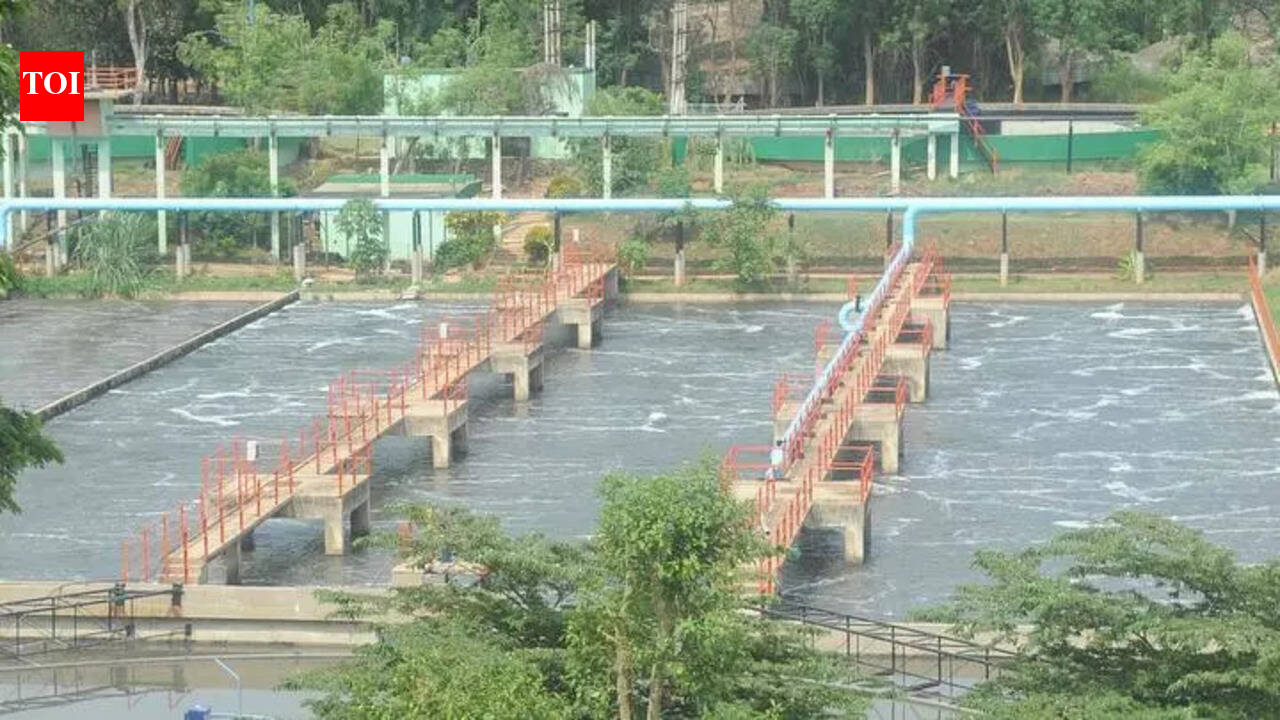
Bengaluru: Amid mounting criticism over the quality of treated water supplied to Kolar and Chikkaballapur under the ambitious KC Valley project, and a recent bandh in Chikkaballapur by farmers demanding tertiary treated water, Revenue minister Krishna Byre Gowda on Monday pulled up municipal authorities for allowing untreated sewage to flow into lakes, warning that such lapses are damaging the credibility of the flagship initiative.At a review meeting with experts from the Indian Institute of Science (IISc) along with Minor Irrigation minister NS Boseraju, Food and Civil Supplies minister KH Muniyappa and Chikkaballapur in-charge minister MC Sudhakar, the minister cited long-term scientific assessments to counter allegations about water quality. “It is not just one or two years. Over the past six years, IISc has been consistently monitoring water quality, and tests have revealed no such concerns. Neither in surface water nor groundwater samples has any metal residue been found,” he said.However, Gowda pointed to a critical flaw: unchecked discharge of untreated sewage by local urban bodies, which, he said, is contaminating otherwise treated water. “Such negligence by local officials is not only polluting water bodies but also damaging the credibility of the project. The mistakes of municipal authorities are tarnishing the very purpose of the KC Valley initiative,” he said, cautioning that years of positive outcomes could be undermined by poor governance.Highlighting the situation in Chikkaballapur, the minister said, “Good quality water is being polluted by the discharge of untreated sewage from urban pockets. The sewage of Chikkaballapur town is directly let into these water bodies.” He called for legal action against officials responsible and directed authorities to work with BWSSB engineers to prepare a plan to treat sewage before releasing it into lakes.Reiterating the project’s benefits, Gowda said, “Groundwater levels have improved significantly, from depths of 1,800 feet earlier to about 50–100 feet now. Water quality has improved through a five-stage purification process, with no harmful metal content detected.”He added that there have been no reported health issues among people or livestock using the water. “There have been no complaints regarding health or agricultural produce. In fact, soil quality has improved, and crops such as fenugreek, cucumber, beetroot, tomatoes, and flowers are being cultivated successfully. Milk production has also increased due to better water and fodder availability,” he said.The minister further noted that IISc experts conducted multiple field surveys. “They visited residents three times to assess any adverse impact, but no one reported problems. Rather, people spoke of the benefits. Environmental indicators are also encouraging, with increased bird populations and healthy aquatic ecosystems. IISc has dismissed claims of rising nitrogen levels,” he added.Gowda suggested extending IISc’s monitoring for another five to 10 years and instructed district officials to conduct biannual checks on fish health and meat quality to ensure the continued safety and sustainability of the project. MSID:: 129757535 413 |