











Titanium orthopaedic supply could become a casualty of Gulf crisis | Mumbai News
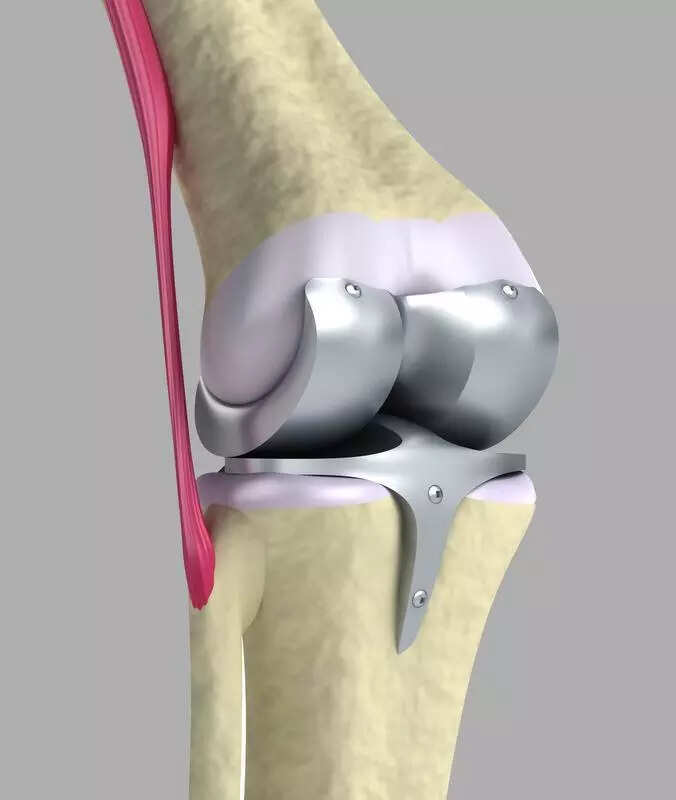
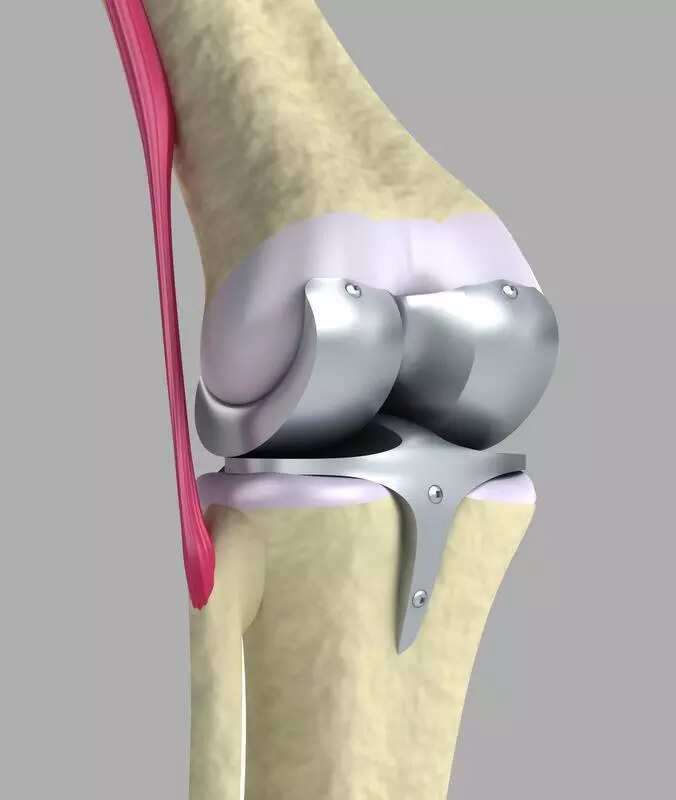
Mumbai: As the ongoing Middle-East conflict chokes global shipping routes, orthopaedic patients risk a spike in costs or delays in treatment for titanium implants. Some manufacturing companies report their raw material is currently stranded in Europe, with no clear timeline for when supplies will resume.Titanium implants are already far more expensive than the alternatives but considered the best due to better safety and biocompatibility. While some manufacturers have a six-month stock of raw materials, others have inventory lasting only a month.Health economist Pritam Dutta at the National Institute of Public Finance and Policy said India depends heavily on imports to manufacture medical devices and consumables. If the situation persists, he said, it is likely to lead to both rising prices and localised shortages. “Private hospitals will likely pass on higher costs to patients, while public hospitals may respond by rationing supplies, which could create access barriers for poorer patients,” Dutta said.TOI spoke with titanium implant manufacturers whose products are used by city-based doctors. One such is Jayon Implants, a manufacturer in Kerala, which has about 14 to 15 tonnes of titanium stuck in Germany. T C Jayasankar, the company’s managing director, said, “Our supplies will last for another month. It is just a wait and watch for now. The alternatives are Japan, which is expensive. We can also import from China but in a limited capacity.“Dr Manish Kothari, consultant spine surgeon at Jaslok Hospital, said as of now the pressure companies face is not trickling down to hospitals or patients. He said for spinal procedures it is almost exclusive that titanium is the preferred metal. “There are alternatives like steel but titanium is far safer for the body. The bone binds with the metal so risk of infection is lower.”Dr Nadir Shah, head of the orthopaedics department at JJ Hospital, said stainless steel is the cheapest implant; it is generally safe but still carries the risk of adverse reaction. “In private hospitals where patients face no budget constraints, doctors often opt exclusively for titanium. It can cost three to four times more than alternatives because it is a non-reactive metal. Due to cost factors, public hospitals use it on a case-by-case basis, but we widely use it for spinal surgeries,” he said.Another supplier of titanium-based spinal implants is Gujarat-based Sharma Orthopedic. Nikul Patel, one of the managers there, said their shipment of about 100 to 150 tonnes of titanium rods is stuck in Germany. “With the current inventory, we can stretch it for six months.”Dr Shubranshu Mohanty, professor and unit head at KEM Hospital’s orthopaedic department, said titanium is also commonly used in joint replacement implants. A representative from the Indian arm of Warsaw-based Zimmer Biomet, whose knee and hip replacement implants are used by hospitals in the city, said these are manufactured abroad and imported but shipment is delayed.Meanwhile, Dutta said supply of polypropylene is also disrupted; it is a key raw material in the production of syringes, IV bags and blood bags. “India needs to build strategic reserves and treat medical supply chains as a national health security priority.”