









Reimagining prisons via stories of ‘second chances’ | Delhi News
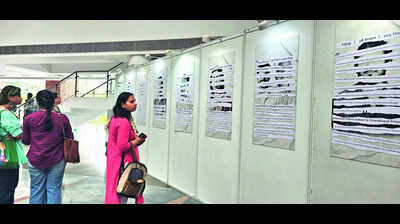
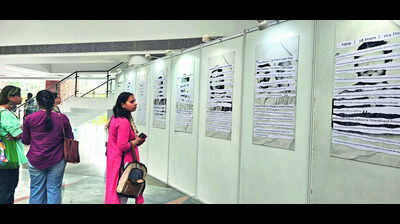
NEW DELHI: On Saturday not far from Parliament, the Dr Ambedkar International Centre at Janpath became the space for, “Reimagining Prisons”, bringing alive stories and voices that seek to question and reframe how both the jail and the jailed are seen.Narrations of rejection, change and second chances and the constant battle with stigma were shared by former undertrials and convicts who recounted their journeys in TEDx style talks and ‘human library’ sessions at a day-long programme – “India Prison Voices” organised by TYCIA Foundation (Turn Your Concern Into Action) as part of their ‘Project Second Chance’.Senior officials from prisons joined in sharing best practices from their states – gender education in prison schools in Uttarakhand to the incarcerated running restaurants in Maharashtra’s open prisons and cooperatives for livelihood in UP.The sprawling atrium of the venue resonated with one key question – “What does a prison hold beyond its wall?” The answer came in the form of an array of storyboards of the reformed, many of them having spent years in jail charged with the most heinous of crimes.Vishnu, still short of middle age, spent 3,454 days in jail. But it was the Tihar Art School set-up in 2017 that helped him through his darkest hour. “I believe that painting is the best way to change yourself,” Vishnu is quoted on the story board.Having spent 12 years in a prison in Assam, the story board on Abul Hashem and Anis Ahmed tells readers “We built the horticulture unit. It’s ours! I am a grower, not just a number.” Under the ‘Seeds for Change’ programme in Assam prisons run in collaboration with Studio Nilima, both these inmates created a garden that they say has changed the environment and became their “little piece of heaven in hell”.14 years in prison can crush the spirit but Anamika emerged a new person thanks to the holistic well-being workshops in Karnataka prisons run in collaboration with Justice Initiative Foundation. The leadership skills it helped her discover are now coming of use as she fulfils her role currently of lead project officer at the Foundation.Similar stories from Telangana, Punjab, Rajasthan and Uttarakhand were part of the exhibition that also showcased paintings made by former inmates across jails reflecting their fears and aspirations. One poignant exhibit was the”Mulakaat” (meeting time allowed to inmates with family) which through drawings expressed the longing of inmates for stretched out meetings and absence of glass barriers between them and their loved ones.TYCIA co-founder, Mohit Raj shared that they plan to take the exhibition to other states now to spread awareness about rehab and reform encouraging society to be more acceptable of second chances.Meanwhile, reflecting on the vision behind the ‘Prisons@2047’ dashboard announced at the event for greater coordination between stakeholders, Raj said “emerging from 30+ consultations across prison departments, judiciary, civil society, philanthropy, academia, and people with lived experience, it is not a report but a live coordination system that aims to translate vision into responsibility. The goal is to eventually make the dashboard accessible to the public later this year.“He added that at its core, it organises the future of prisons into five themes and twenty sub-themes, where each stakeholder can clearly see the role they must play, the investments required, and the outcomes expected over time.