





HC asks GPSC to produce original text of Kautilya’s Arthashastra | Ahmedabad News
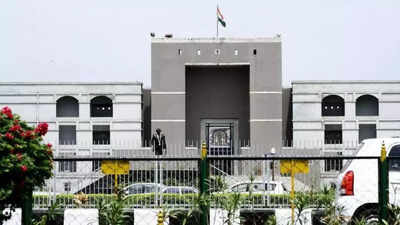
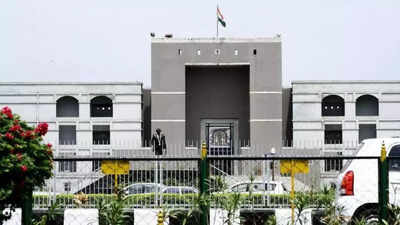
Gujarat high court raps GPSC for not producing 1915 text (File Photo)
AHMEDABAD: The Gujarat high court directed the Gujarat Public Service Commission (GPSC) last week to produce the original text of Kautilya’s Arthashastra, specifically the first English translation published in 1915, after a heated courtroom exchange over the correctness of an answer to a question in a GPSC examination.On Monday, GPSC failed to produce the edition, and instead provided only a PDF copy of the book. GPSC also stated that it was unable to identify the source of the PDF. This led Justice Nirzar Desai to criticise the GPSC for being stubborn and egoistic, and for not accepting its blunder.Since no original book was produced, the court raised questions on the authenticity of the text GPSC had used to frame the exam question. It directed the GPSC secretary to file an affidavit addressing “whether, when the original source is not available, it would be permissible to frame questions from a book, the physical copy of which is not available, and the source from which the PDF copy was downloaded is also not available. If such practice is permissible, it shall also be clarified how the authenticity of such a book is to be determined”.The court asked how candidates could reasonably be expected to refer to century-old books and sought a reply by March 20 on whether the Arthashastra is widely available to the public and, if a physical copy does exist, which specific edition was used to select the question.Last week, GPSC’s counsel had informed the court that the disputed question had been framed directly from that particular edition of the book. The question that appeared in the 2025 GPSC exam asked candidates to evaluate two statements about Kautilya’s Arthashastra: first, that the book was written in Sanskrit, and second, that it deals with economics. A candidate, who fell just one mark short of qualifying for the second round of the recruitment process, challenged GPSC’s official answer key. She argued that the answer in the key was incorrect. The options given were — A: Only one; B: Only two; C: One and two both; D: None of the above. The candidate chose ‘C’ as her answer, but the GPSC disagreed, leading to the dispute over the correctness of the answer key.The candidate’s lawyers submitted that the GCERT and NCERT books showed that her answer was correct. However, GPSC did not agree, and its counsel asserted that the question was framed from the original English translation of Arthashastra published in 1915.The high court also directed GPSC to disclose the identity of the paper setter who had relied on what was described as “the original text” to frame the question, particularly since GPSC’s answer did not align with the school textbooks that GPSC itself prescribes as reference material for candidates.