









Bengaluru pollution trail may reach Mekedatu reservoir site through Vrishabhavathi: Report | Bengaluru News
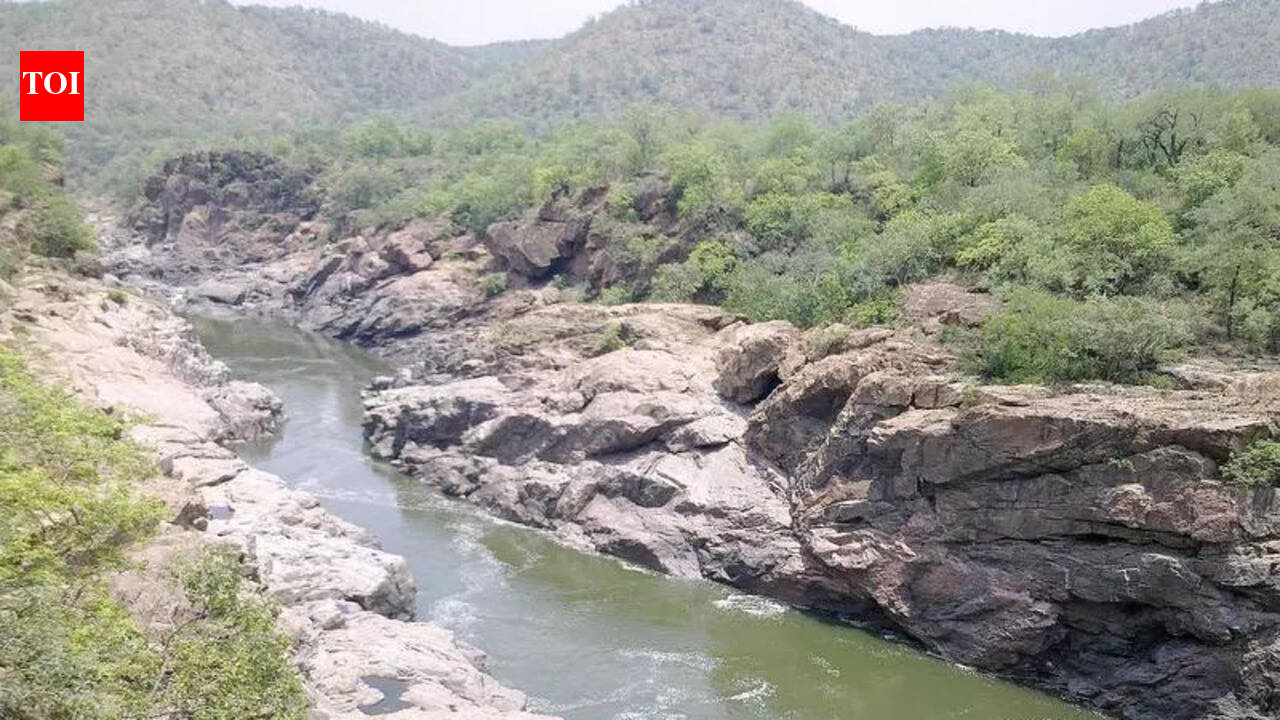
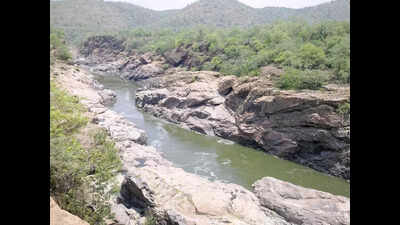
Bengaluru: Karnataka govt’s ambitious Mekedatu balancing reservoir project on Cauvery river, planned as a major drinking water source for Bengaluru, may face fresh environmental scrutiny. A recent report warned that untreated sewage flowing through the city’s polluted river network could eventually reach the Cauvery basin near the proposed dam site in Kanakapura.The report, State of Vrishabhavathi River, released by Mapping Malnad— a citizen-led platform working on Western Ghats and river conservation — cautioned that wastewater from Bengaluru carried by Vrishabhavathi river ultimately joined Arkavathi river, which drained into Cauvery near the Mekedatu region. “Without addressing the upstream pollution sources, contamination originating in Bengaluru could travel downstream towards the region where the govt is proposing to build the reservoir,” it stated. Researchers found that Vrishabhavathi carries large amounts of untreated sewage, industrial effluents, and urban waste, degrading water quality in the Arkavathi basin. Monitoring data shows high organic pollution, bacterial contamination, and reduced dissolved oxygen in stretches receiving its inflows, harming the river’s ecological health. Despite the Rs 391-crore rejuvenation project for Byramangala reservoir, the report says such measures fail to address the root cause—unchecked discharge of sewage and industrial effluents into Vrishabhavathi. It warns that these efforts merely shift pollution downstream, placing an unfair burden on farmers in areas like Kanakapura and the Harobele dam command region. The report also highlights longstanding concerns that wastewater irrigation around Bengaluru has led to crops contaminated with heavy metals.The report pointed out the pollution risks could intensify if contaminated water was impounded in a reservoir. “The CPCB already classified Cauvery as a polluted river at certain stretches. When a dam is built, this polluted water will stagnate, concentrate, and settle, accumulating heavy metals, pesticides, and persistent chemicals carried in the waters,” researchers said. Nirmala Gowda, lead researcher of the project, said stricter enforcement and prevention at source were critical to addressing the crisis.“Given the pollution and complexity of this scale, the only solution is prevention — through stricter enforcement and accountability at the source. But enforcement alone is not enough without a deeper shift in how all of us view rivers—not as extractable resources but as a living ecosystem whose health is inseparable from our own. The current regulatory environment, shaped by the administrative push for ‘ease of doing business’, appears to be moving in the opposite direction by diluting safeguards, relaxing consent and inspection regimes, and reducing compliance burdens on the very industries driving this crisis,” she noted.Researchers also noted that the public debate around the Mekedatu project largely centred on interstate water-sharing disputes between Karnataka and Tamil Nadu, while the environmental dimension received far less attention.