










Iran war casts shadow over Parsi pilgrimages | Surat News
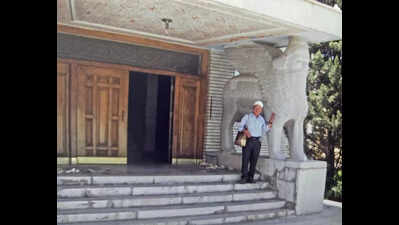
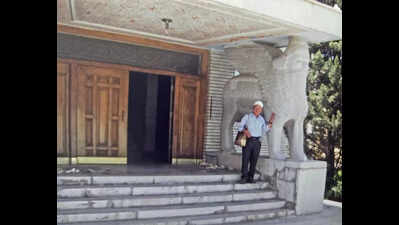
Surat: The ongoing conflict in Iran has sparked global concern over its economic fallout, but for Gujarat’s Parsi community, it carries a deep religious and emotional significance. Descended from Zoroastrians who migrated from Persia to Gujarat over 1,300 years ago, many Parsis maintain strong spiritual ties with Iran, visiting its sacred sites annually. This year, however, travel plans have been disrupted due to the conflict, leaving many unable to undertake the pilgrimage.Surat resident Padma Shri awardee Yazdi Karanjia (90) and his wife Vira (84), who visited Iran in 2008, recalled their journey with nostalgia. “We left Persia to preserve our religion and reached Sanjan in Gujarat. Many, however, stayed back and continue to live in Iran. There are several religious and historical sites there that Parsis from India visit every year. The current situation brings back memories of our visit,” Karanjia said.Vira Karanjia described the trip as deeply spiritual despite sustaining a fracture during the tour. “We heard many stories about persecution and the last Zoroastrian king, Yazdegerd III. Visiting places like Mount Damavand and Chak Chak gave us a strong connection to our roots. We even performed rituals at Mount Damavand — an experience beyond words,” she said.Several community members who had planned visits this year had to cancel their trips.Ahmedabad-based businessman Homiyar Vakil said, “I had planned to visit last year but couldn’t. I was determined to go this summer, but the war has disrupted everything. I want to see the land where my ancestors lived.”Similarly, Surat-based educator Maharukh Chichgar, along with her relatives, had made detailed plans for a trip to Iran this summer. “We had prepared everything and were especially looking forward to visiting holy sites. Now we will have to wait for peace. I am particularly eager to see Persepolis,” she said.Many Parsis continue to live in Iran, primarily in Tehran and Yazd, and ties between Indian and Iranian Parsis remain strong. Surat businessman Fredy Bhagwagar, who visited Iran in 2018, recalled his experience. “A friend from Mumbai, now settled in Iran, helped me during my trip. Climbing Mount Damavand is unforgettable. Iranian Parsis value gifts like the ‘sudreh’ and ‘kushti’ from India and are fond of Indian tea,” he said.“I have been taking two tours a year, one each in the Diwali and summer vacations, to Iran for the last 35 years. The tours mainly cover four cities — Tehran, Shiraz, Yazd and Isfahan — where most Zoroastrian sites are situated. Yazd has 60% of the Irani-Parsi population, as they are associated with farming. We have the oldest Atash Behram (Fire Temple) in Yazd, which is 1,500 years old. Parsis also tour the fire temple of the Rustam Baug Zoroastrian colony in Tehran. There are other important places such as Persepolis, the Shiraz fire temple, Pasargadae and the tomb of Cyrus the Great. We get immense support from the Iranian govt during our tours. This year the summer tour has been cancelled due to the war,” Diniar Darab Mehta, a tour organizer from Mumbai.